Hinges and Door Adjustment on Custom Cabinets in Austin
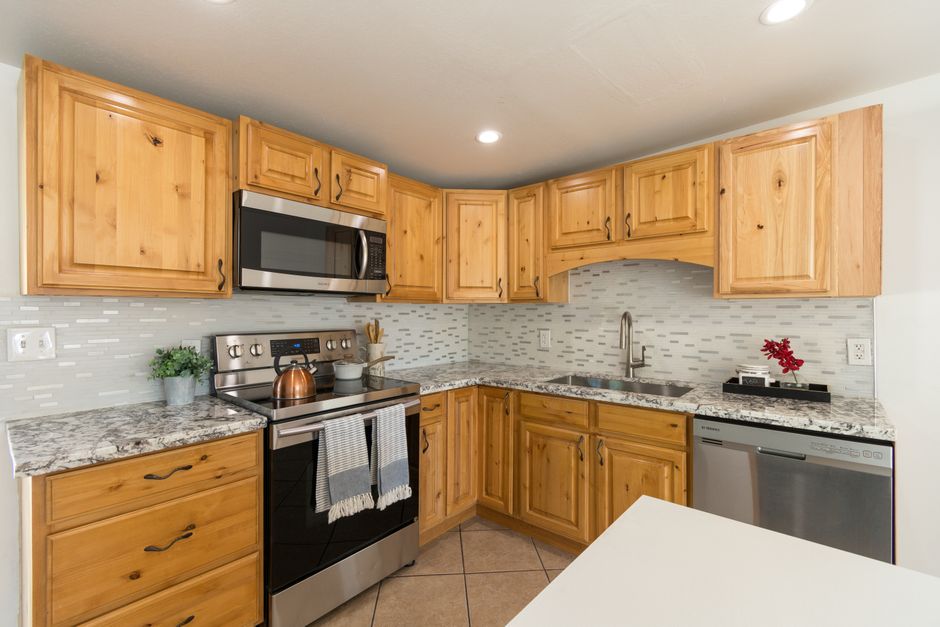
Most people tighten the screw on the door edge and never find the three adjustments that actually move it, and custom cabinets austin protostar engineering covers hinges in detail because that one habit explains most sagging doors. A cabinet in Austin, TX takes thousands of openings a year, and the hinge has to hold its setting through all of them.
What a concealed hinge is
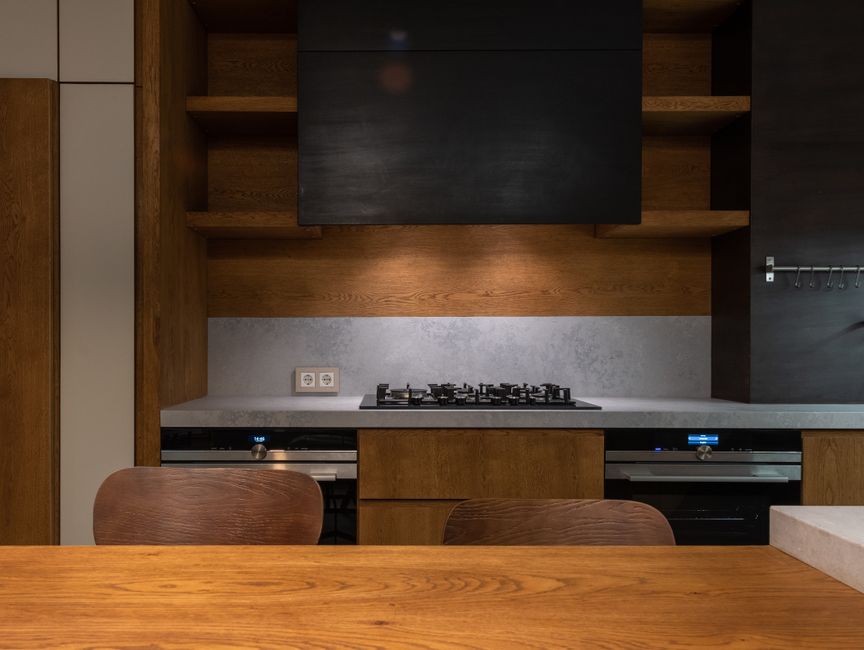
The euro hinge, also called a concealed or cup hinge, sits in a round hole bored in the back of the door and clips onto a plate screwed to the cabinet. It is hidden when the door is shut. Overlay hinges suit a full overlay or partial overlay door, and an inset hinge is cranked so that an inset door can sit flush inside a face frame. Choosing the wrong overlay number is the most common reason a new door does not line up.
The three adjustments
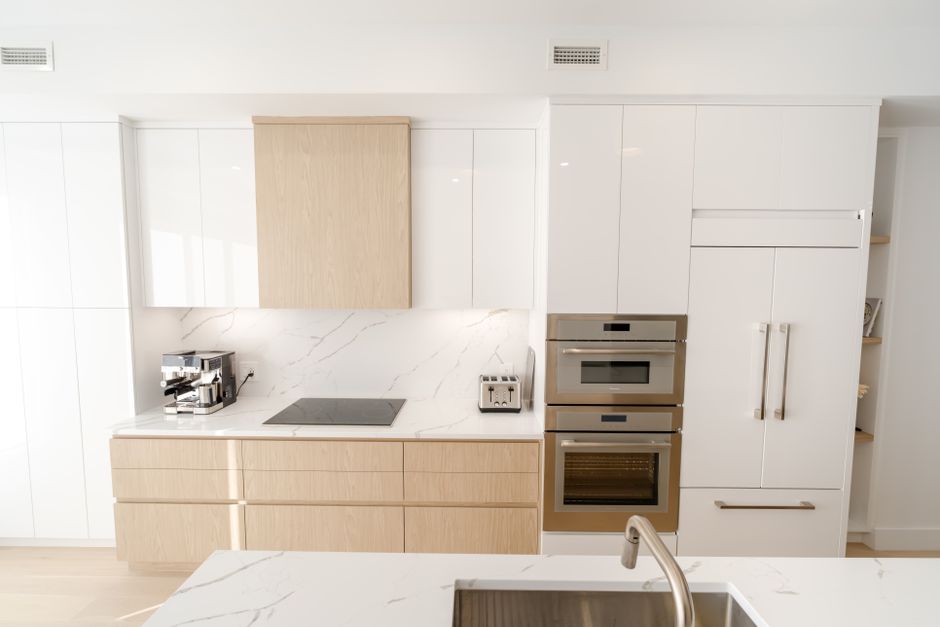
A good hinge moves the door three ways. One screw slides the door in and out against the frame. Another shifts it left and right to set the gap between neighbours. A third raises or lowers it. Doors that are out of line almost always need a small turn on one of these, not a new hinge. A soft close hinge or an add-on damper catches the door in the last inch and keeps it from slamming.
What the plate screws into
The hinge plate is only as secure as the sheet behind it. A plywood box holds the screws well, and a face frame in maple, oak or birch holds them better still. MDF and particleboard have a loose center, and screws pulled out of that material do not go back in the same hole. Cabinet makers often use a threaded insert or a longer screw at the heavier doors, and they do it before the doors are hung.
Seasonal movement
Doors grow and shrink with the seasons, and Austin has real ones: long hot summers, a damp spring, cool dry winters indoors, and now and then a freeze. A door that fit tight in August can show a wider gap in January. A quarter turn on the side adjustment recovers it. A tall pantry door deserves three hinges instead of two, because the extra hinge holds a long slab flat against its own weight.
When a hinge cannot fix it
If a door has a visible twist, no setting will pull it flat. If the cup bore has torn out of a thin door, the hinge cannot hold. If the box itself has racked out of square on a settling floor, the doors on that run will drift together. Refacing may solve the first two, and a shim under the base cabinet and a relevel solves the third.