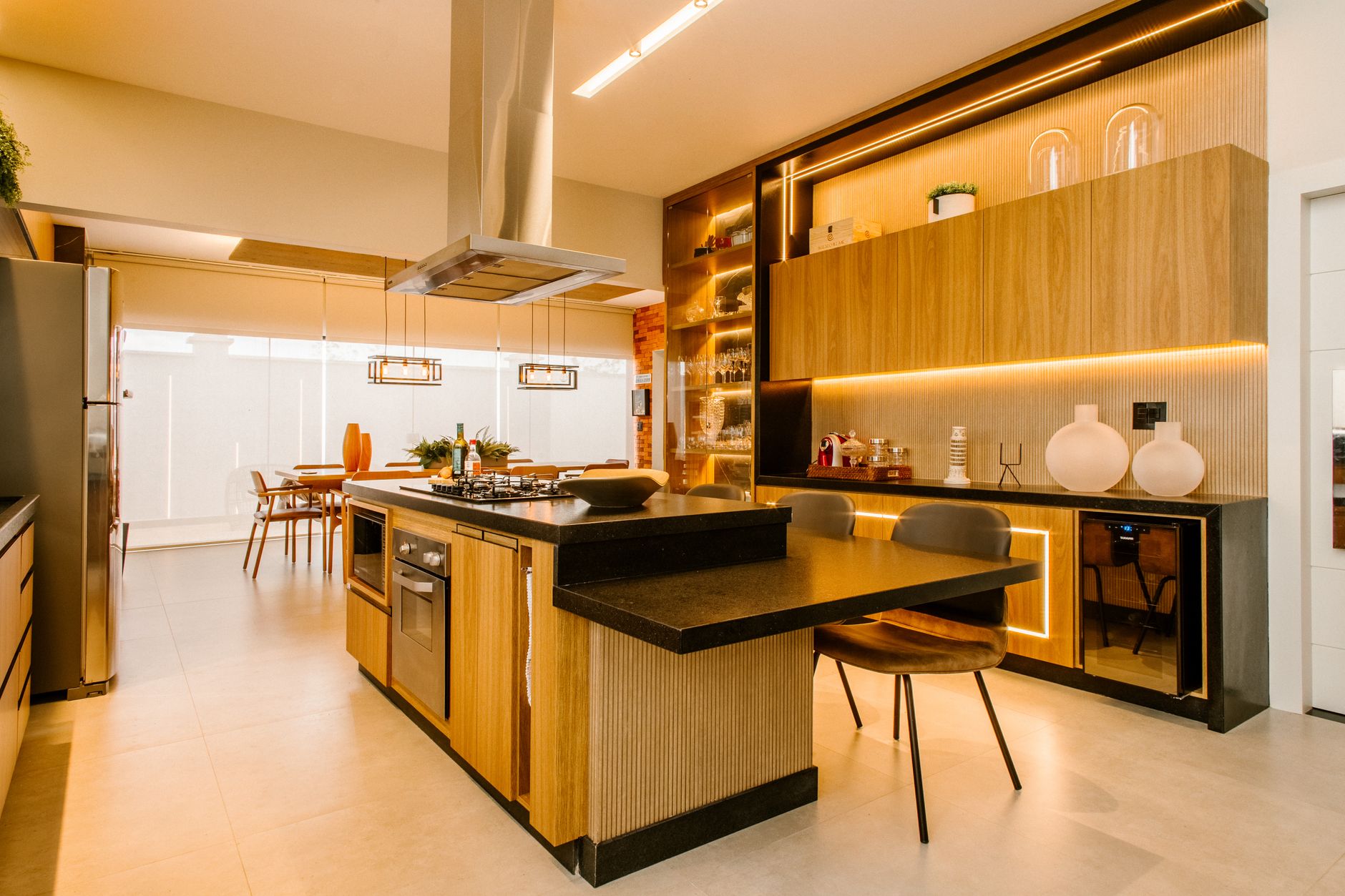
Custom Cabinets in Austin, TX
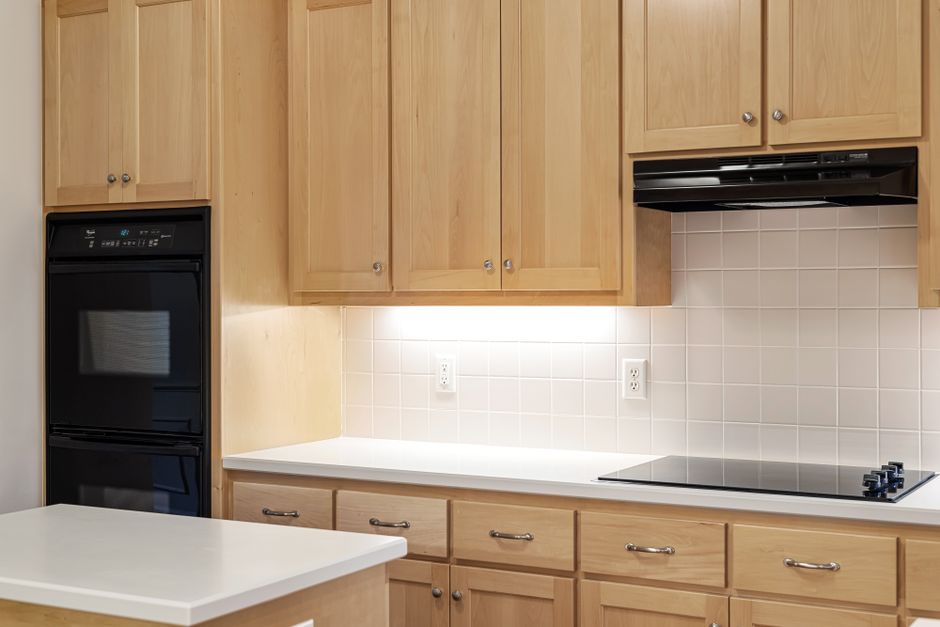
Notes on custom cabinets in Austin, TX: box materials, face frame and frameless construction, joinery, drawers and hinges, and how Austin humidity moves wood doors.
What We Cover
- Dovetail Drawer Boxes and Slides in Custom Austin Cabinets What joinery, drawer box wood and slide type decide whether a drawer still runs smoothly after years of daily use.
- Face Frame or Frameless Cabinets for an Austin Home What the two construction styles mean for door fit, drawer width and wall squareness in older Austin houses.
- Hinges and Door Adjustment on Custom Cabinets in Austin Concealed hinge types, three-way adjustment and why doors drift out of line when Austin seasons change.
- Plywood Versus MDF for Cabinet Boxes in Austin Kitchens How plywood, MDF and particleboard boxes handle Austin humidity swings, sink leaks and heavy stone tops.
- Reading a Cabinet Box Before You Order Custom Work in Austin How to inspect back panels, shelf thickness, edge banding and fasteners to judge construction quality.
- Why Wood Cabinet Doors Warp in Austin Summers and Winters How long hot summers, air conditioning and the occasional freeze move solid wood doors and what construction limits it.
Custom Cabinets in Austin, TX
A custom cabinet in Austin, TX is judged by what sits behind the doors. The crew starts every job at the box: plywood or MDF sides, a back panel that locks the case square, and shelves thick enough to stay level under a stack of dishes. Doors, drawers and hardware are chosen after that, because a good front on a weak box fails within a few seasons.
Why the climate matters to the wood
Austin has long hot summers, rain spread through the year, and a house cooled hard by air conditioning. Solid wood doors take on and give up moisture through all of it. Rail and stile doors with a floating panel handle that swing well, and a finish on every face of a door slows it further. A freeze every couple of years adds one more reason to seal edges and the inside of the box.
Joinery, drawers and hinges
Dovetail drawer corners, a solid drawer bottom and a slide with the right load rating decide whether a drawer still runs smoothly after years of pots and pans. Concealed hinges with three-way adjustment let a door be pulled back into line when the seasons move it. Face frame boxes suit the older, out of square walls of Hyde Park, Travis Heights and Clarksville, while frameless boxes give wider drawers in newer, flatter rooms.
Where the work meets the house
East of the Balcones Escarpment the soil is shrink-swell clay, and slab floors move a little. West of it the ground climbs into limestone hills. Either way a cabinet run needs shimming, scribing and fastening into studs, so the boxes sit level and tied together. The crew treats that installation step as part of the construction, not an afterthought.
Guides
The pages here cover box materials, face frame versus frameless construction, why wood doors warp, drawer boxes and slides, hinge adjustment, and how to read a cabinet box before ordering. Each one is written from the shop floor and tied to conditions in Austin.
Latest Guides
Cabinet Finishes Explained for Austin Kitchens: Paint, Stain, Thermofoil and Melamine
Finish is the part of a cabinet that everyone sees and almost nobody asks about. Paint, stain, clear coat, thermofoil and melamine all do the same basic job, which is to keep moisture and grease out of the material underneath, but they do it in different ways and fail in different ways. In Austin, where the air swings between wet and dry through the year and kitchens spend months being cooled hard, the finish on a cabinet works harder than it would in a steadier climate. These are the questions that come up most often when a homeowner is deciding what goes on the wood.
What is the difference between painted and stained cabinet doors?
A stained door shows the grain of the wood, so the species matters. Oak has an open, pronounced grain. Maple is tight and smooth. Birch sits between them and takes stain a little unevenly. Painted doors hide the grain, and the surface under the paint can be hardwood, MDF or a plywood panel. Both finishes are protective, but paint forms a thicker film that can crack at the joints between rails and stiles when the wood moves, and a hairline crack along a joint is the most common complaint about painted doors.
A stained and clear coated door shows movement less, because the finish sits thinner and follows the wood. A well made painted door in MDF moves very little and holds a flat, clean line. Painted solid wood is more likely to show a seam as the seasons change. The choice is a mix of look and tolerance, not a ranking of quality.
Does it matter how many sides of a door are finished?
It matters more than almost anything else about the finish. Wood exchanges moisture through every unsealed face. If the front is coated and the back is bare, the back takes on moisture in humid weather and lets it go in dry weather while the front stays put, and the door curves. A properly finished door has a coat on the front, back, edges and inside the groove where the panel sits. Cabinet shops that spray both faces and every edge see far fewer warped doors than shops that finish only what shows.
What are thermofoil and melamine, and where do they work?
Thermofoil is a vinyl film heated and pulled over a shaped MDF door. It makes a seamless painted looking surface with no joints to crack. Its weak point is heat and moisture at the edges. A door next to an oven, a toaster or a dishwasher vent can have its film lift over time, and once an edge begins to peel it keeps going.
Melamine is a resin soaked paper fused onto particleboard or MDF. It is common on cabinet interiors and on drawer boxes. A melamine surface resists spills and wipes clean, which is why it makes a good lining for the inside of a box. The weakness is the cut edge. Where the paper stops and the board begins, edge banding has to seal the joint, or water finds its way in and the board swells.
How should the inside of a cabinet be finished?
The inside of a box gets less attention than the outside and takes more abuse. Spray bottles leak, a bag of flour tears, and a damp dish towel hangs on the door. An interior in melamine or a prefinished plywood with a clear coat can be wiped, and the finish keeps moisture from reaching the core. A bare plywood interior is not wrong, but it will stain, and unfinished particleboard is a poor choice anywhere near water.
The sink base deserves a second look. Sealing the floor, the lower edges of the sides and the seam where the floor meets the back wall with a flexible coating gives the box a better chance if a leak starts. Some shops line the floor with a waterproof mat as well, which catches a drip and makes it visible quickly.
Why do toe kicks swell, and what prevents it?
The toe kick is the recessed panel at the base of a cabinet run. It sits within an inch or two of the floor, so every mop, spill and splash reaches it. When the kick is built from the same material as the box and left with an unsealed lower edge, water wicks upward and the panel swells and bubbles. Building the kick from plywood, sealing every edge, and holding it a small distance off the floor lets it dry between washings. On a slab floor in a kitchen with a dishwasher, that small gap makes a difference over time.
How do humidity swings affect the finish itself?
Finish does not stop wood from moving. It slows the exchange of moisture, so the wood moves more gradually and more evenly. A film finish like paint or a catalyzed varnish builds a barrier on the surface. A penetrating oil soaks in and leaves less film. In Austin, where summers are long and hot and the house is dry from air conditioning, a coat that is applied evenly on every face and cured fully before the door is hung will resist cracking at the joints.
Curing matters more than people expect. A coat that feels dry to the touch may need days to harden fully. Doors boxed and delivered too early can stick together or take marks from the packing, and a soft finish picks up fingerprints and cleaner residue for years. A shop that gives each coat its full time before the next one goes on tends to deliver a harder, more even surface.
Can an old finish be refreshed instead of replaced?
Often it can. A sound box with doors that have only worn at the finish is a good candidate for refinishing. The surface is cleaned to remove grease, scuffed so the new coat bonds, and then sprayed or brushed with fresh finish. Refacing goes a step further and swaps the doors and drawer fronts for new ones on the existing boxes, which makes sense when the carcasses are in good shape and the layout still works.
Neither method fixes a failing box. If the sink base floor is soft, if the back panel has pulled away, or if the shelves have sagged, the finish is not the problem, and new doors will hang on a weak structure. A quick inspection of the inside before choosing between refinishing, refacing and replacing saves a lot of regret.
What should be asked before choosing a finish?
- What is the door made of underneath, solid wood, plywood or MDF?
- Is every face and edge of the door finished, including the back and the groove?
- How many coats go on, and how long does each one cure before the next?
- What seals the cut edges of the box, especially at the sink base and toe kick?
- Is the interior finished to the same standard as the outside?
The answers show quickly whether a shop treats the finish as a coat of color or as a working part of the cabinet.
What is the short answer?
A good finish is thin enough to move with the wood, applied on every face, and given time to cure. Choose the look that suits the room, then check the edges, the interior and the sink base, because that is where Austin kitchens tend to show their age first.
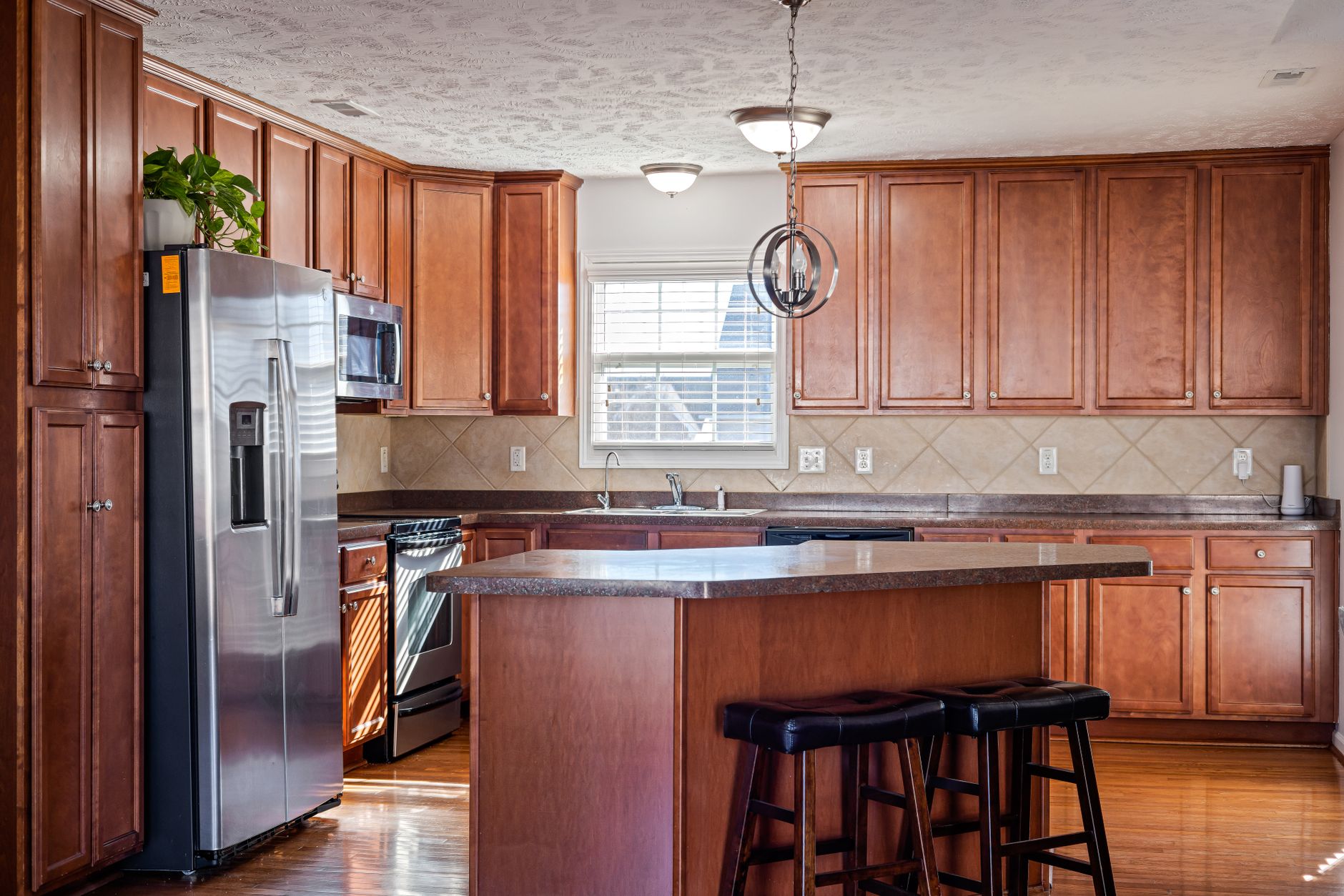
What Fails Inside a Cabinet Box After Years in an Austin Kitchen
Cabinets rarely fail the day they are installed. They fail slowly, in the same handful of places, and a cabinet maker who has pulled apart enough kitchens can tell from a sagging shelf or a gapped door which shortcut was taken when the box was built. In an Austin kitchen the failures follow a pattern, shaped by long hot summers, a house that spends months sealed up and air conditioned, rain that arrives in every season, and the shifting clay under many of the slab floors on the east side of town.
Where does a cabinet box usually give out first?
The sink base goes first, almost every time. Water arrives from three directions there: a supply line, a drain trap, and whatever the dishwasher hose or disposal does when a seal wears out. A slow weep might run for weeks before anyone opens the door under the sink. The floor of the box soaks it up, and what happens next depends entirely on what the floor is made of.
The second place is the shelf line in the wall cabinets, where stacked plates press down on a span that was cut a little too wide for its thickness. The third is the drawer, which gets opened more than any door and carries more weight than most people guess. After those three come hinges that loosen, back panels that were barely attached, and the toe kick, which sits closest to the floor and takes every mop and every spill.
What do the common failures look like side by side?
What you see What is usually behind it How construction prevents it Swollen, crumbling floor in the sink base Particleboard or MDF that stayed wet from a slow leak A plywood floor with sealed edges, glued into dados in the sides Shelf bowed in the middle Thin shelf stock over a wide span, or soft sheet material Three-quarter inch plywood, a shorter span, or a front stiffener Door sticking in summer, gapping in winter Solid wood movement, or a door finished on one face only Rail and stile construction with a floating panel, finish on every side Door drifting out of line Hinge plate screws pulling out of a loose sheet edge Plywood or a face frame behind the plate, threaded inserts on heavy doors Drawer racking or dragging Stapled corners, a thin bottom, an underrated slide Dovetail or doweled corners, a thick bottom set in a groove, a slide rated for the load Whole cabinet leaning or twisting A thin back panel nailed on, or a run set on an uneven floor A thick back set into a groove, shimmed base, cabinets tied together at the face Bubbled or peeling edge at the toe kick Water wicking into an unsealed edge band Thick edge banding, a sealed bottom edge, a toe kick set back from the floor Why does the sink base floor matter so much?
Plywood is a stack of thin veneers glued with alternating grain. Water that reaches the surface of a plywood floor stains it and sometimes lifts the top layer, but the sheet generally keeps its shape and its grip on a screw. Once it dries it can be sealed and put back to work. MDF and particleboard behave differently. Both are made of small wood fibers or chips held with resin, and when water gets into a cut edge the fibers swell and the resin lets go. The sheet does not go back to its original thickness, and a screw driven into it afterward finds nothing to bite.
This is the reason many shops build the sink base on a plywood floor even when the rest of the carcass uses another sheet material. A leak in that one spot is likely enough that it deserves its own construction.
How does Austin weather get into the wood?
Austin summers run long. Highs of ninety degrees or more show up on well over a hundred days in a typical year, and rain is spread through the calendar instead of bunched into one wet season. Indoors, air conditioning pulls moisture out of the air for months at a time. Then a spring or fall rain comes through and the outdoor air turns thick. Wood doors and drawer boxes sit in the middle of that cycle, taking on moisture when the house is damp and giving it up when it is dry.
Solid wood moves mostly across its grain, so a wide board changes width far more than it changes length. A door built from narrow rails and stiles with a floating panel can move without tearing itself apart. A solid slab door has no such relief, and unless it has a laminated or plywood core it tends to bow. Doors finished on the front and left bare on the back dry unevenly and curve toward the drier face. That is why finish on every side of a door matters more than the choice between paint and stain.
What about the ground under the house?
East of the Balcones Escarpment the soil is clay that swells when it is wet and shrinks when it is dry. West of it the ground rises into limestone hills with thin soil. Houses in Tarrytown, Hyde Park, Travis Heights and Mueller sit on a range of foundations from pier and beam to slab, and the floors in those kitchens are seldom perfectly flat. A long run of base cabinets set on an uneven floor without proper shimming will rack as the house settles through the seasons.
Racking shows up in small ways first. A door that used to close flush now catches at the top corner. A drawer starts to bind on one side. The crack along the backsplash widens by a hair. A thin back panel nailed to the rear edge of the box does very little to resist this movement, while a thicker back set into a groove and glued locks the carcass square. Cabinets that are screwed to each other at the face frame or the frameless front edge, and then fastened through the back into studs, move as one unit and resist the drift.
How much does weight matter?
A stone countertop is heavy, and it rests on the top edge of the base cabinets. That weight travels down through the sides and into the toe kick, then the floor. A plywood box with glued and screwed joints carries it well. Thin particleboard sides with deep cuts for shelves can sag or split at the joint, especially along a long run with a sink cutout that removes some of the top support. A few extra stretchers across the top of the sink base give the countertop more support and stiffen the box where it has the least material.
Drawers carry weight too. A pot drawer holding cast iron, lids and a few stacked pans can put a serious load on its slides. Slides carry a load rating, and the right one for a utensil drawer is not the right one for a pot drawer. The slide is only as secure as the sheet it is screwed into, so in a soft material the screws work loose and the drawer starts to droop at the front.
What can be checked before problems start?
A short walk through the kitchen with a flashlight catches most of it. Open the sink base and look at the floor, the back wall and the underside of the countertop for stains, swelling or a musty smell. Press on the middle of the longest shelf and see whether it gives. Open each drawer fully and look for side to side play. Close each door and look at the gaps between neighbors, which should be even. Check the toe kick for swelling along the bottom edge.
Small fixes are cheap in time and effort. A hinge can be adjusted with a screwdriver in a minute. A door that has started to bow can sometimes be pulled flat with a second catch. A drawer slide can be tightened or replaced. A damp sink base floor can be dried, sealed and lined before the damage spreads. The expensive repairs come from leaving a slow leak alone for a year.
What does this mean when choosing construction?
Every failure in the table traces back to a decision made on the shop floor, and those decisions are invisible once the cabinet is hung, so they are worth reading in a sample box before an order is placed. A cabinet built with plywood where water can reach it, thick backs, solid joints and a finish on every face will outlast the kitchen it was built for.