Why Wood Cabinet Doors Warp in Austin Summers and Winters
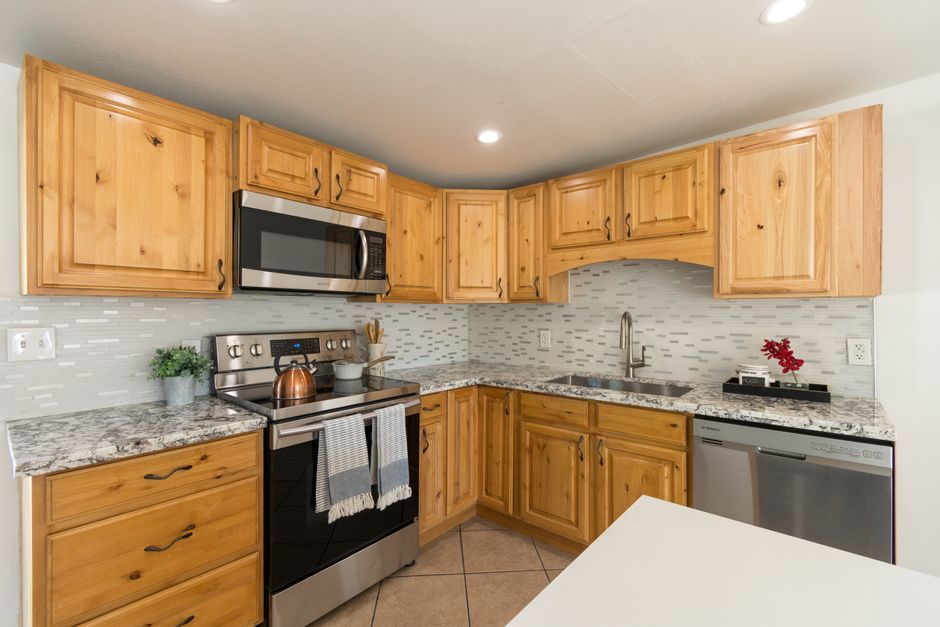
Stand outside the kitchen with the door closed and sight along the top rail, because the breakdown sitting on custom cabinets austin protostar engineering lists the signs of a warping door in that order. A cabinet in Austin, TX that was built flat can leave the shop straight and still curve by the second summer.
Why solid wood moves at all
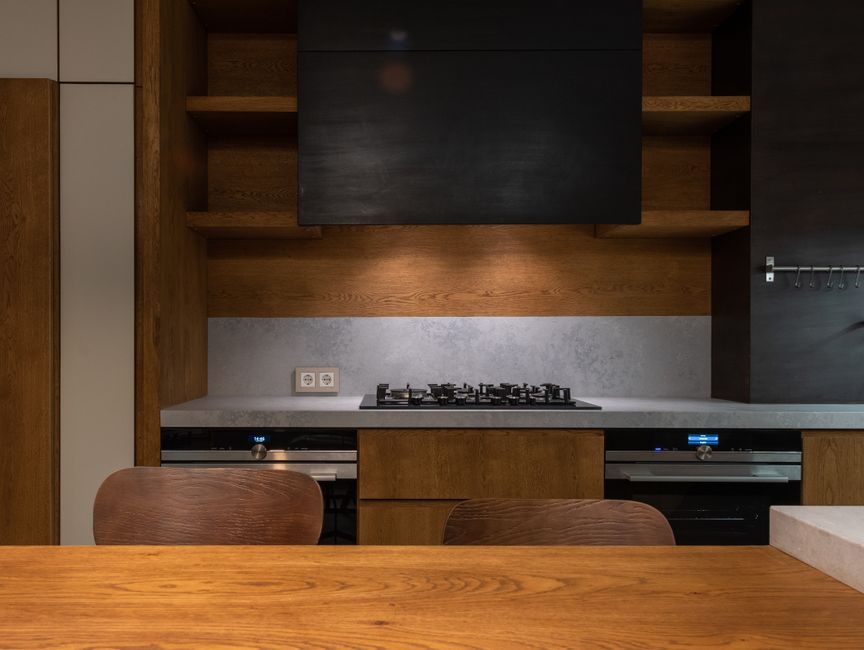
Wood takes on and gives up moisture from the air, and it moves mostly across the grain. A wide hardwood board swells a little in a damp week and shrinks in a dry one. Austin has long hot summers with highs above ninety on well over a hundred days a year, rain spread through the seasons, and indoor air that is cooled hard for months. The same door sits through all of those changes.
Rail and stile versus slab
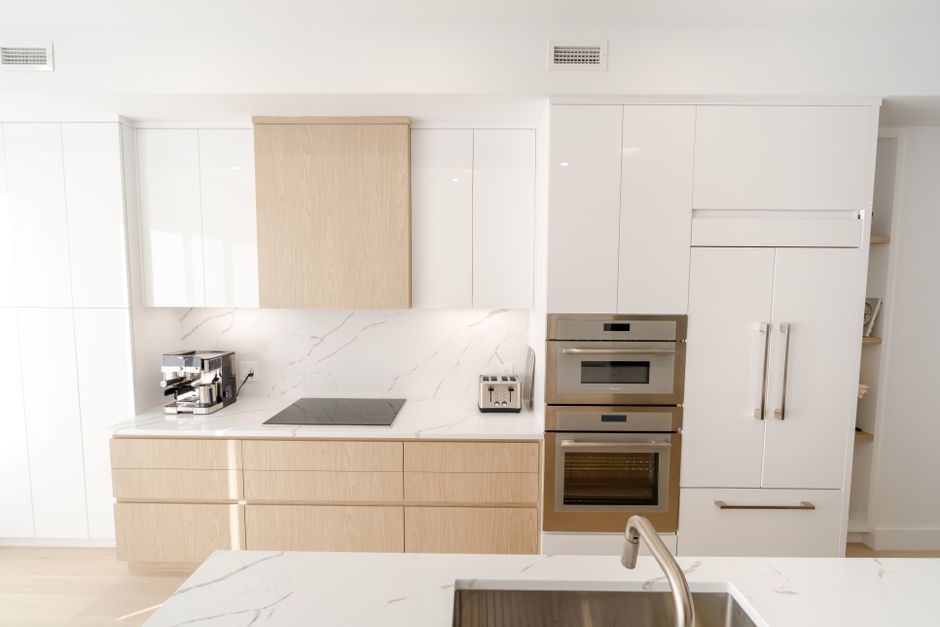
A shaker or raised panel door is built from narrow rails and stiles, with a panel that floats in a groove. That floating panel is the whole trick: it is free to expand and shrink without pushing the frame apart. A solid wood slab door has no such relief. A slab in oak or maple needs either cleats, a laminated core, or a plywood or MDF substrate under a veneer to stay flat.
Finish on every side
Doors warp when one face dries faster than the other. A coat of paint or varnish on the front and bare wood on the back sets that up. Finish applied to the edges, the back and the groove where the panel sits slows the exchange evenly. Doors that were sprayed on one side and hung in a hurry are the ones that show a bow a season later.
Which doors hold up
Painted MDF doors are very stable but heavy, and the edges chip if they are knocked. Thermofoil and melamine skins resist moisture, though a failing edge can peel near a dishwasher or a range. Hardwood doors have the best look under a stain. Maple and birch move less than some open pored woods, and quarter sawn stock moves less than flat sawn. Cabinet makers choose the wood and the door style together, not separately.
Fixing a door that has already moved
A door with a slight bow can often be pulled flat with a hinge adjustment and a magnet or a second catch at the open corner. A door with a heavy twist usually has to be rebuilt or replaced. Refacing a run with new doors on existing boxes is a common repair when the carcass is sound and only the fronts have moved. The cause is nearly always the finish, the substrate, or the species, and the fix is to change one of those.