Face Frame or Frameless Cabinets for an Austin Home
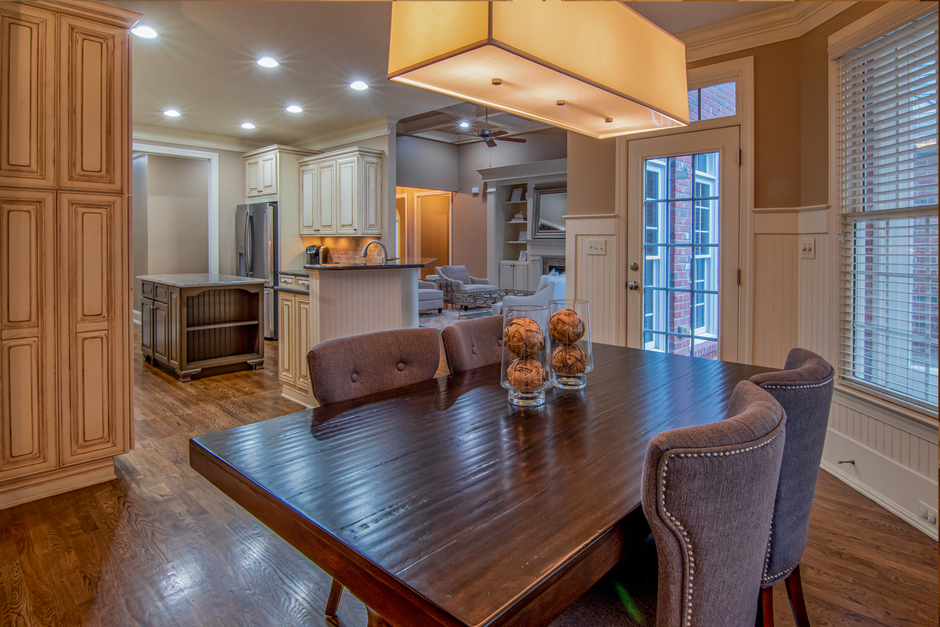
Three-eighths of an inch is the reveal that a face frame leaves around a full overlay door, and the figures kept at custom cabinets austin protostar engineering start there, because every other choice follows from it. A custom cabinet job in Austin, TX begins with the same question: does the box carry a wood frame on its front edge, or does the door cover the box directly?
How a face frame box is built
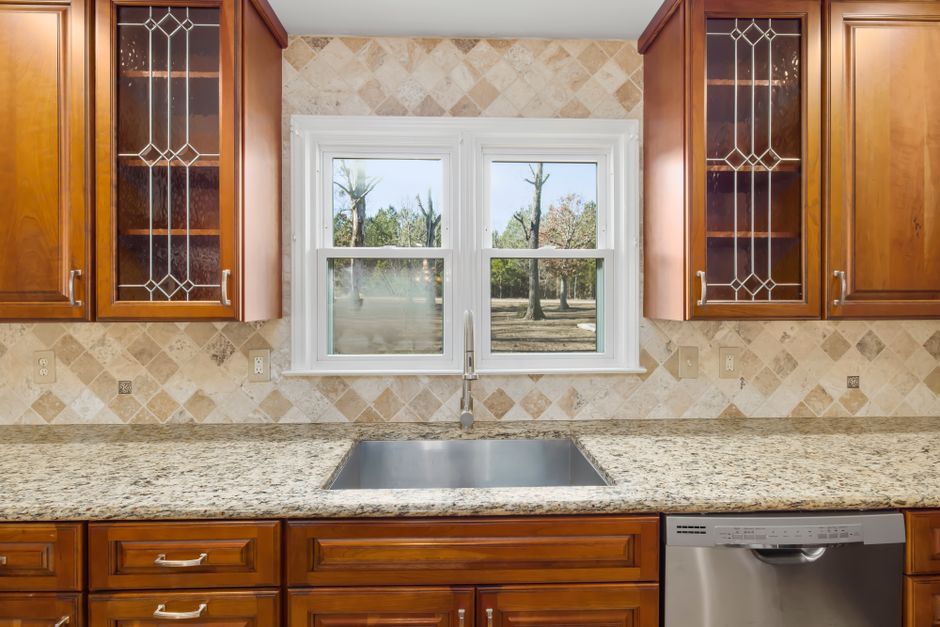
A face frame carcass has a rectangle of hardwood, usually maple, oak or birch, glued and pocket screwed to the front of the plywood box. Doors hang from that frame. The frame adds stiffness to the whole box and gives the installer a wide, solid edge to screw cabinets together and to pull them tight against a wall. It also takes up room in the opening, so drawers end up narrower than the box behind them.
How a frameless box is built
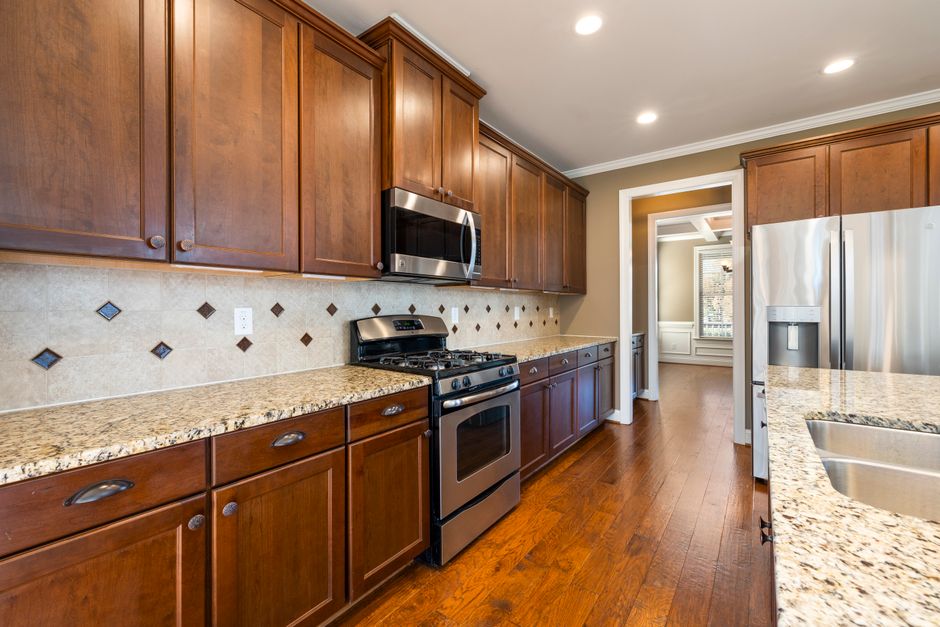
Frameless, sometimes called full access, drops the frame entirely. The plywood sides are the front edge, finished with edge banding, and the euro hinge plates screw straight into the sides. Drawers can be nearly the full width of the box. The trade is that the box has to be built accurately and hung plumb, because there is no frame to hide a gap or take a shim.
Door styles and overlay
A face frame accepts a full overlay, a partial overlay, or an inset door that sits flush inside the frame. Inset shaker doors look the most traditional and demand the tightest fit, since any seasonal movement in the wood shows as an uneven gap. Frameless is almost always full overlay, and it suits a slab door or a flat shaker. Raised panel doors work on either, but they read more naturally on a face frame.
Older walls in Hyde Park and Travis Heights
Houses from the early and middle part of the last century in Hyde Park, Travis Heights and Clarksville rarely have square, flat walls. Plaster over lath, additions framed at different times, floors that have followed the shrink swell clay soil over the years. A face frame can be scribed to the wall and shimmed to hide a bow. A frameless run reveals the bow as a door line that tapers. Crews working in older houses often lean toward the face frame for that reason alone.
Choosing between them
Modern construction with square drywall, wide drawer needs and a clean flat look points toward frameless. Older rooms, inset doors and a traditional profile point toward the face frame. Either style built from a plywood box with proper joinery will last. The mismatch to avoid is a frameless box asked to hide a crooked wall, or a face frame asked to give a drawer more width than the frame allows.